Elevating Lives: Explore the Premier Senior Care Programs for Individuals with Dementia
The difficulties associated with dementia influence not only those who have been diagnosed but also their families. Identifying appropriate senior care programs is essential for enhancing quality of life. Numerous options can be found, from in-home services to specialized facilities. Each program offers unique benefits adapted to individual needs. Understanding these distinctions is essential. Yet, the question remains: what factors should families examine when exploring the best options for their loved ones?
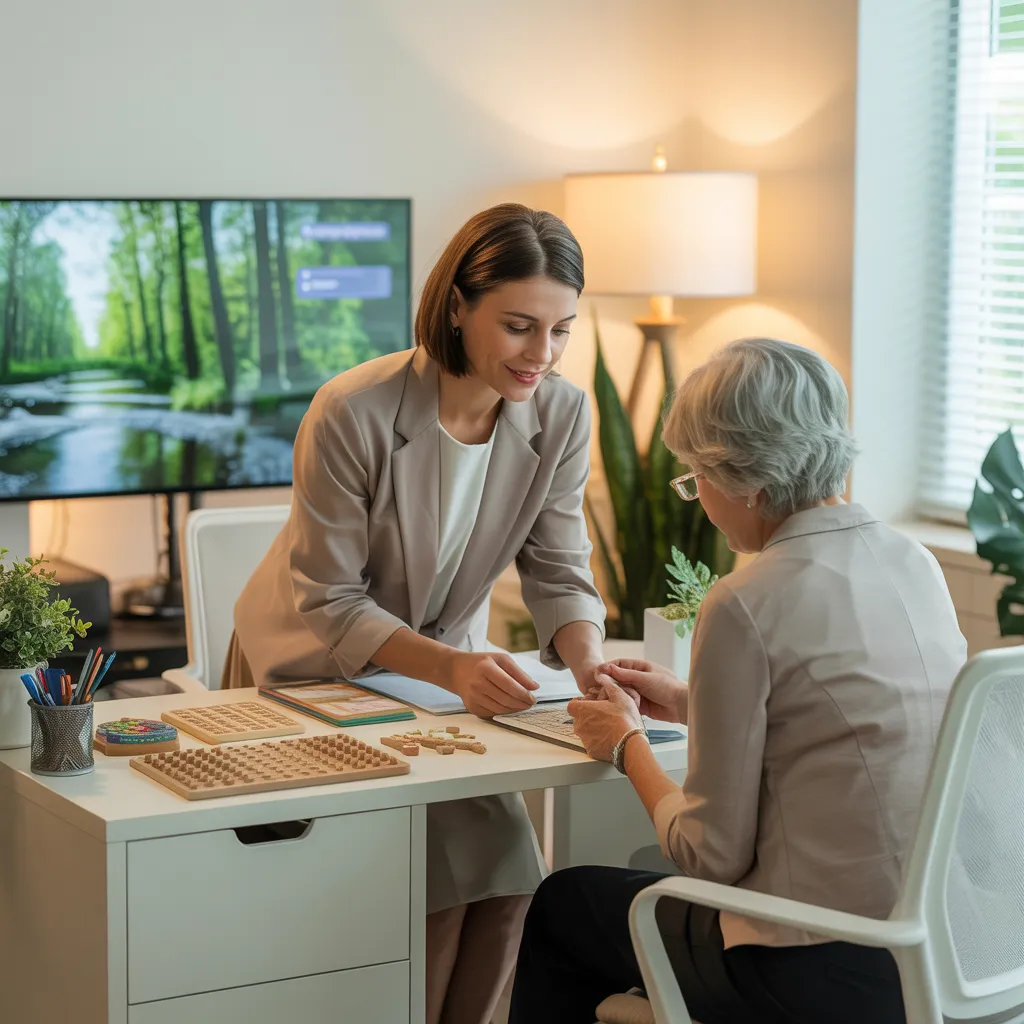
Grasping Dementia and Its Impact on Day-to-Day Life
While dementia is frequently regarded as a singular condition, it covers a spectrum of cognitive impairments that significantly impact daily life. These impairments can emerge in multiple ways, including memory loss, challenges with problem-solving, and challenges in communication. As dementia advances, patients may experience challenges with recognizing familiar faces or places, leading to confusion and anxiety. Daily linked article tasks, such as cooking or managing finances, become increasingly challenging, demanding the need for assistance.
The mental toll on both the individual and their families can be profound. Relationships may strain as communication challenges emerge, leaving caregivers feeling anxious and lost. Social activities that were previously pleasurable may diminish, contributing to isolation. Understanding the multifaceted aspects of dementia is crucial for family members and care providers, as this knowledge encourages empathy and better support strategies. By recognizing dementia's complex challenges, one can start to pursue proper support and resources to enhance quality of life for people impacted.
Home-Based Care Services: Customized Care in Your Home
Home-based care services deliver an essential lifeline for individuals with dementia, ensuring personalized support while enabling them to stay in the comfort of their own homes. These services are adapted to meet the unique needs of each individual, providing assistance with daily activities such as bathing, dressing, and meal preparation. Caregivers are prepared to understand the complexities of dementia, delivering companionship and cognitive engagement, which are vital for maintaining mental health.
Additionally, in-home care services can help to managing medications and monitor changes in health, ensuring timely interventions when essential. Families receive the peace of mind that comes from knowing their loved ones are receiving specialized care. The flexibility of in-home services permits families to decide on the level of support necessary, ranging from a few hours a week to full-time care. Finally, these services promote independence and dignity for individuals managing the challenges of dementia.
Community-Centered Initiatives: Maintaining Connection and Engagement
Community-based programs play an essential role in assisting individuals with dementia by promoting social interaction and engagement outside of the home. These programs provide opportunities for seniors to join in various activities, such as art classes, exercise groups, and music therapy sessions. Interacting with peers helps create a sense of belonging and lessens feelings of isolation, which can be particularly prevalent among those with dementia.
In addition, community-driven initiatives often incorporate caregivers, providing them essential resources and respite while guaranteeing that their family members are actively engaged. Local organizations commonly collaborate to create inclusive environments that address the unique needs of individuals with dementia, making sure they can participate comfortably. By focusing on socialization and community integration, these programs enhance the quality of life for seniors, helping them to maintain relationships and remain connected to their communities, in the end enhancing their emotional and psychological welfare.
Dedicated Memory Care Communities: Safety and Well-Being
In seeking appropriate care for persons with dementia, specialized memory care facilities deliver an environment developed specifically for their specific needs, prioritizing both safety and comfort. These facilities are equipped with features that decrease risks, such as secure entrances and exits, to stop wandering. Staff members are prepared in dementia care, making sure residents receive understanding support and supervision around the clock.
In addition to safety, comfort is a essential aspect of memory care facilities. Environments are often designed to evoke a sense of home, using gentle colors and textures, while communal areas encourage social interaction. Personalized care plans cater to individual preferences, promoting a sense of autonomy and dignity.
Moreover, memory care facilities commonly provide structured routines that help lessen anxiety and confusion, helping residents to thrive. On the whole, these specialized facilities create a supportive atmosphere where individuals with dementia can feel protected and at ease.
Creative Methods for Dementia Care: Improving Quality of Life
Innovative approaches to dementia care are revolutionizing the way people experience this challenging condition, as caregivers progressively prioritize improving quality of life. Methods such as person-centered care focus on unique preferences and histories, cultivating a sense of identity and autonomy. Incorporating technology, like virtual reality and cognitive training applications, provides stimulating activities that enhance mental function and emotional well-being.
In addition, therapeutic art and music have developed into valuable resources, allowing individuals to communicate and bond with memories in a reassuring fashion. Nature-based therapy and outdoor pursuits promote physical health and reduce anxiety, further enhancing overall well-being.
In addition, including families in the care process enhances support networks and strengthens communication, creating a more complete environment. These forward-thinking strategies not only enhance daily interactions but also enrich the overall experience of those living with dementia, granting them dignity, respect, and a greater sense of satisfaction in their lives.
Common Questions
What Are the Fees for Dementia Care Programs?
Costs linked to dementia care programs can vary considerably, generally spanning from $3,000 to $8,000 monthly, depending on the services offered, facility type, and location. Supplementary charges may include medication, transportation, and personal care services.
How Should Families Pick the Best Care Option?
Families can select the right care option by examining their loved one's specific needs, reviewing available programs, evaluating budgetary impacts, visiting facilities, and gathering recommendations from medical professionals and other families for educated decision-making.
Can Caregivers Find Support Groups?
Yes, there are numerous support groups available for caregivers. These organizations deliver resources, emotional support, and shared experiences, enabling caregivers to handle the struggles they deal with while caring for family members who have dementia.
What Legal Documentation Is Important for Dementia Care?
Critical legal documents for dementia care include power of attorney, health care proxy, advance care directive, and guardianship papers. These documents confirm that caregivers can make choices and provide needed medical treatment when the individual is unable to.
How Does Technology Help in Dementia Care?
Digital technology supports dementia care through surveillance tools, medication reminders, and communication tools. These advancements improve safety, encourage independence, and facilitate connections with caregivers and loved ones, eventually bettering the quality of life for individuals impacted by dementia.